

As temperatures climb across the United States, many people focus on sunscreen, vacations, and spending more time outdoors. But according to health experts, one of the most important summer health habits is also one of the most overlooked.
Most people think dehydration only happens during intense exercise or on extremely hot days. In reality, mild dehydration can occur even while sitting at work, driving, or enjoying a family barbecue. The problem is that by the time you feel thirsty, your body may already be running low on fluids.
The good news? A few simple daily habits can help you stay energized, protect your health, and make the most of the summer season.
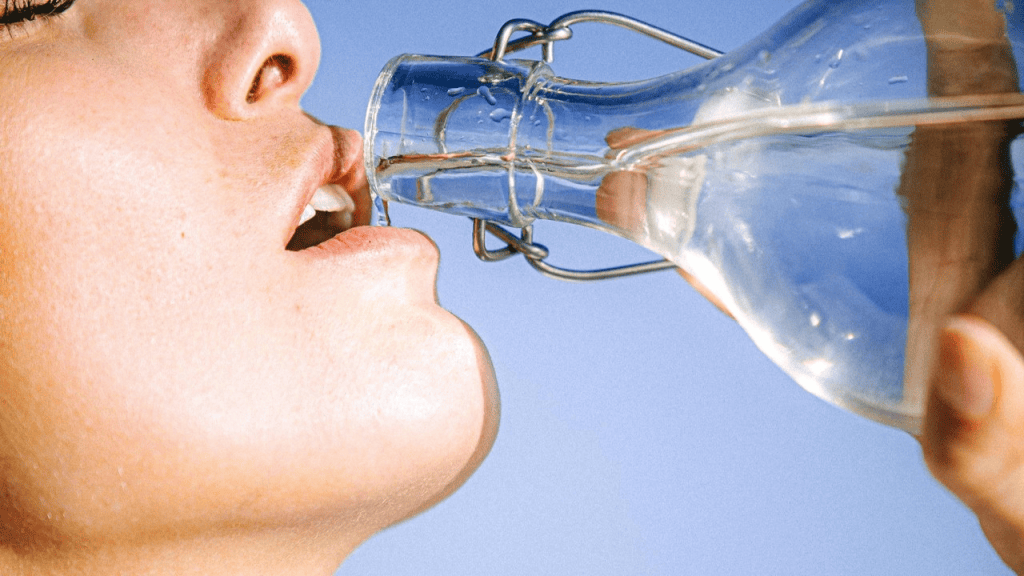
💧 1. Don’t Wait Until You’re Thirsty
Thirst is actually a late warning sign.
Even mild dehydration may contribute to:
- Headaches
- Fatigue
- Difficulty concentrating
- Muscle cramps
- Lower physical performance
Health professionals recommend drinking water consistently throughout the day instead of waiting until you feel thirsty.
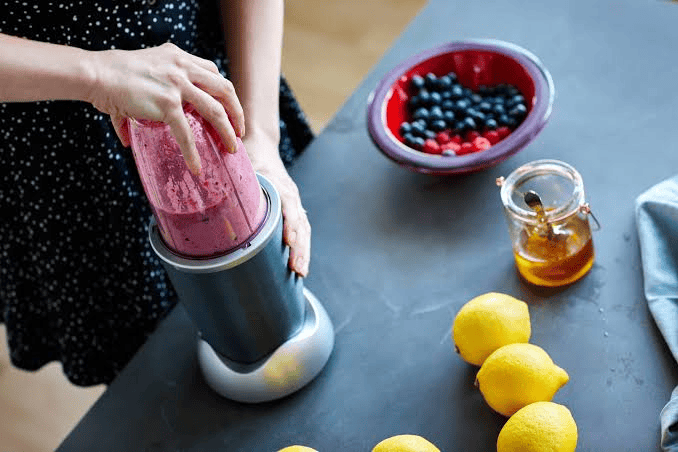
🍉 2. Eat Foods That Help You Stay Hydrated
Water isn’t the only way to stay hydrated.
Many summer fruits and vegetables contain over 90% water while providing important vitamins and antioxidants.
Excellent choices include:
- Watermelon
- Strawberries
- Cucumbers
- Tomatoes
- Peaches
- Oranges
- Lettuce
These foods are refreshing, nutritious, and perfect for hot weather.

☀️ 3. Avoid the Hottest Hours of the Day
The sun is usually strongest between 10 a.m. and 4 p.m.
If possible:
- Exercise early in the morning.
- Take walks after sunset.
- Seek shade whenever possible.
- Wear lightweight, breathable clothing.
These simple changes can significantly reduce the risk of heat exhaustion.
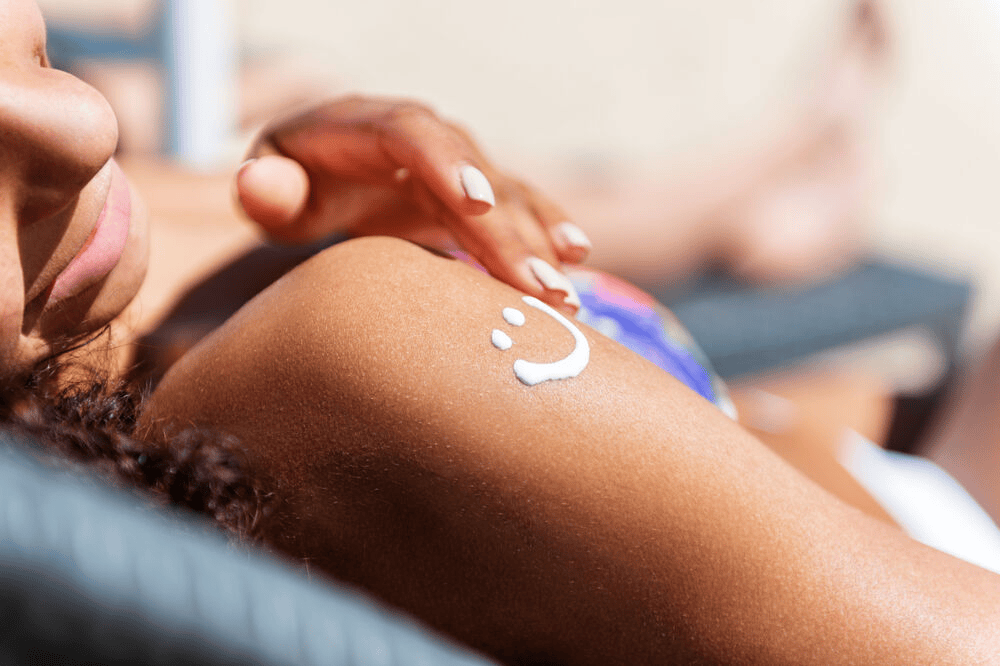
🧴 4. Sunscreen Is Only Part of Sun Protection
Many Americans apply sunscreen before going outside—but forget to reapply it.
Experts recommend:
- SPF 30 or higher
- Reapply every two hours
- Reapply after swimming or heavy sweating
Don’t forget commonly missed areas like:
- Ears
- Neck
- Feet
- Back of the hands
😴 5. Heat Can Affect Your Sleep
Warm nights often make it harder to get quality sleep.
To sleep better:
- Keep your bedroom cool.
- Avoid heavy meals before bedtime.
- Stay hydrated during the evening.
- Limit alcohol before sleep.
Quality sleep helps your immune system, improves mood, and supports overall health.
🚶 6. Stay Active—But Be Smart
Summer is one of the best times to move your body.
Instead of exercising in extreme heat, try:
- Morning walks
- Swimming
- Cycling at sunset
- Hiking in shaded parks
- Outdoor yoga
Regular movement supports heart health and helps maintain healthy energy levels.
🍦 7. Don’t Let Summer Treats Replace Healthy Meals
Ice cream, sugary drinks, and frozen desserts are part of summer fun—but relying on them too often can leave you feeling sluggish.
Try balancing treats with:
- Lean proteins
- Fresh vegetables
- Whole grains
- Healthy fats
- Seasonal fruit
A balanced diet provides the nutrients your body needs during hot weather.
❤️ 8. Check on Older Family Members
Older adults are more vulnerable to dehydration and heat-related illnesses.
A quick phone call or visit can make a big difference during heat waves.
Encourage them to:
- Drink water regularly
- Stay indoors during peak heat
- Use fans or air conditioning when possible
Final Thoughts
Summer should be a season of fun—not fatigue.
Small daily habits like drinking enough water, eating fresh seasonal foods, protecting yourself from the sun, and staying active during cooler hours can help you feel your best throughout the season.
You don’t need a complete lifestyle overhaul. Sometimes, a few simple changes are enough to stay healthier, more energetic, and ready to enjoy everything summer has to offer.

